How To Find A Reliable Mechanic In Canberra For Common Car Issues
Car troubles often appear at the most inconvenient times, leaving you searching for someone you can trust to diagnose the issue properly. Whether it is a warning light on the dash or a strange noise under the bonnet, most drivers share the same concern: choosing a car mechanic who will look after both the vehicle and their budget. Knowing what to look for can make the experience far less stressful and give you confidence when you hand over the keys.
This guide explores practical steps for choosing a dependable mechanic, including how to assess qualifications, understand workshop processes, and spot warning signs before committing to a repair.
Look for Mechanics with Recognised Qualifications
Mechanics who undertake formal training and stay current with their skills are more likely to deliver consistent results. Many workshops employ technicians with a mix of apprenticeship training and ongoing professional development, which helps them manage both routine maintenance and common repair tasks.
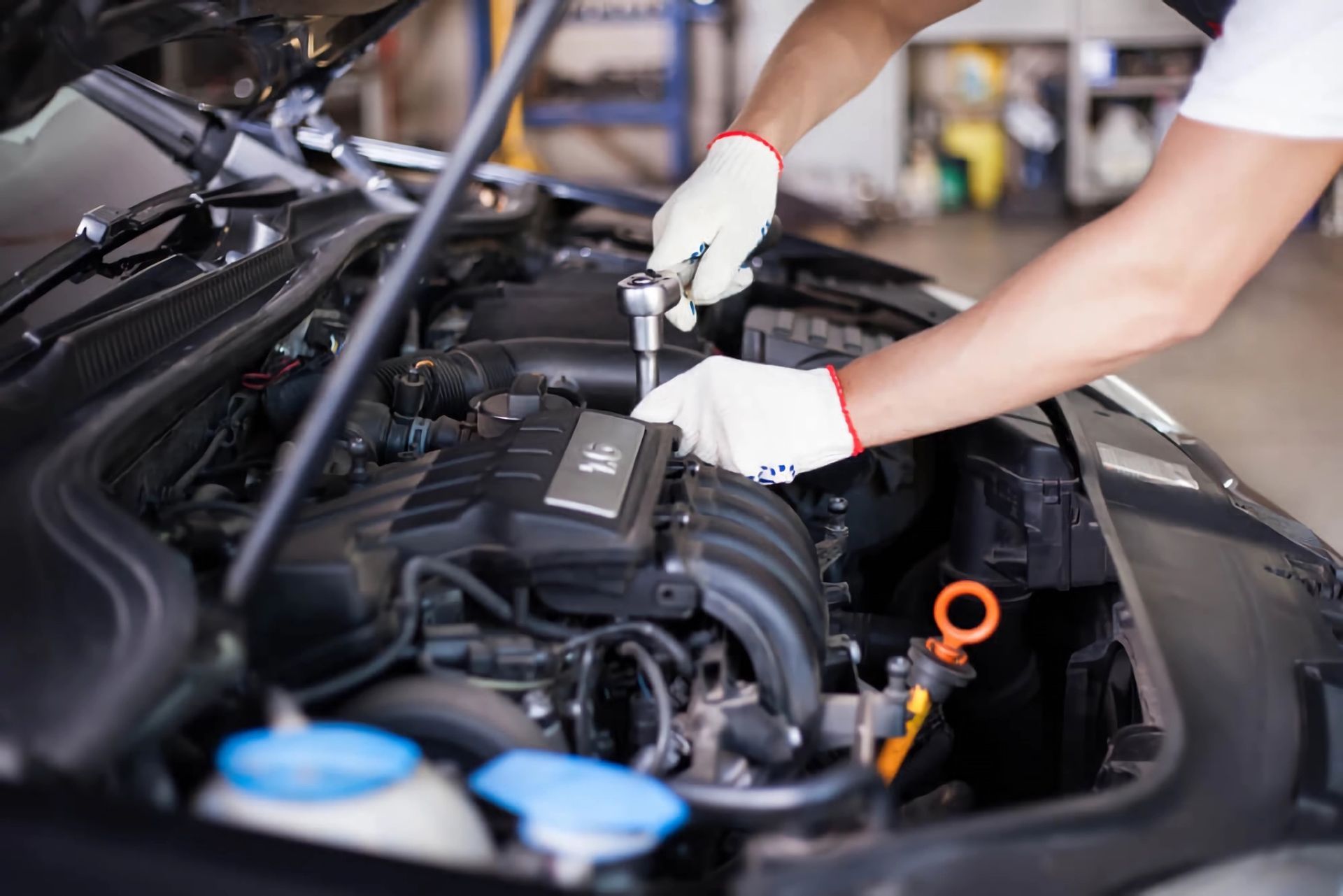
A qualified mechanic can assist with services such as logbook servicing, brake inspections, suspension repairs, diagnostics, and general mechanical work. These credentials show they understand modern systems and know how to use the tools required for accurate diagnosis.
Key points to consider include:
- Trade certifications that match the type of work your vehicle may need
- Evidence of up-to-date training for newer vehicle systems
- Workshops that employ licensed technicians for specialist services
Read Online Reviews to Understand Customer Experiences
Customer feedback can reveal how a workshop communicates, quotes jobs, and handles unexpected issues. Reviews also help you spot patterns in behaviour, such as how a mechanic responds when a repair takes longer than expected or when additional work is recommended.
While individual reviews can be subjective, long-term trends offer useful insight. A mechanic with consistent positive comments might show strengths like transparency, fair pricing, or reliable turnaround times.
When assessing reviews, look for:
- Comments about communication and clarity around costs
- Feedback that mentions helpful explanations
- Patterns that indicate professionalism across different types of work
Check Whether the Workshop Offers Clear Explanations
A reliable mechanic will take time to explain what is wrong and what needs to happen next. This matters because modern vehicles have complex systems, and many issues can present with similar symptoms. Clear communication reduces misunderstandings and helps you feel confident about approving repairs.
Workshops that prioritise transparency often provide written estimates, outline repair options, and talk you through what will happen during the service. This includes everything from routine oil changes to more detailed diagnostic work.
When speaking with a mechanic, note whether they:
- Explain the issue in simple, easy-to-understand terms
- Offer repair options when appropriate
- Provide a written quote before beginning work
Ask About Diagnostic Tools and Workshop Equipment
The right equipment plays a major role in identifying faults accurately. Modern vehicles rely heavily on electronic systems, so a workshop with current diagnostic tools can detect issues faster. This not only helps the mechanic pinpoint the cause but also reduces the risk of replacing parts unnecessarily.
Many workshops invest in scan tools, brake testing equipment, tyre machines, and specialised tools for engine work. These tools support services such as diagnostic fault finding, engine tuning, air conditioning repairs, and safety inspections.
Key things to enquire about include:
- Whether the workshop uses up-to-date diagnostic scanners
- Availability of specialist equipment for your vehicle type
- Ability to perform both mechanical and electrical checks
Review the Services Offered to Ensure They Meet Your Needs
Not all mechanics offer the same range of services. Some workshops specialise in complex repairs while others focus on routine servicing. Understanding what each workshop provides can save time and avoid bouncing between providers when multiple issues arise.
A versatile workshop can assist with logbook servicing, battery replacements, cooling system repairs, timing belt changes, brake servicing, and suspension work. Having all these services in one place is convenient and ensures continuity in your vehicle’s maintenance record.
When comparing mechanics, consider whether they:
- Provide both minor and major servicing
- Handle diagnostics and general repairs under one roof
- Offer repair options for your specific make and model
Observe How the Workshop Handles Transparency and Costing
No one likes unexpected costs, so it is reasonable to expect clear pricing before a repair begins. A dependable mechanic will provide a transparent breakdown of parts and labour, explain why each item is needed, and notify you if anything changes during the service.
Workshops with strong communication practices usually have processes to contact you before carrying out any extra work. This ensures you stay in control of the decision-making.
Things to look for include:
- Quotes that detail the work included
- Approval steps for additional repairs
- Consistent updates if delays or changes occur
Learn to Spot Common Red Flags
Knowing what to avoid is just as important as knowing what to look for. Certain behaviours may indicate that a workshop is not as reliable as it seems. These signs often become more noticeable when repairs involve unexpected issues or difficult diagnoses.
Red flags that may require caution include poor communication, rushed assessments, unclear quotes, or pressure to approve repairs without explanation. If you notice these signs, it might be worth seeking a second opinion.
Warning signs may include:
- Hesitation to explain the issue clearly
- Vague or verbal-only pricing
- A pattern of negative feedback from previous customers
Compare Convenience and Customer Support Options
For many drivers, convenience plays a big role in choosing a mechanic. Some workshops offer features that make vehicle maintenance simpler, such as flexible booking times, courtesy transport options, or same-day servicing when possible.
Customer support is also part of the experience. Whether it is a friendly greeting at the counter or a follow-up call to ensure your issue is resolved, these touches can make a noticeable difference.
Useful convenience factors include:
- Clear communication during the booking process
- Flexible service options
- Customer support that demonstrates care and professionalism
We at Maytek Automotive understand how important it is to have a mechanic you can trust, especially when dealing with local driving conditions and the seasonal changes that can affect your vehicle. If you need help with servicing, diagnostics, or general repairs, you can reach us through our website at https://www.maytekauto.au/. Contact us today to make a booking and let us help keep your vehicle running smoothly.